
What’s The Deal With Airline Food? The Truth Behind Airline Food!
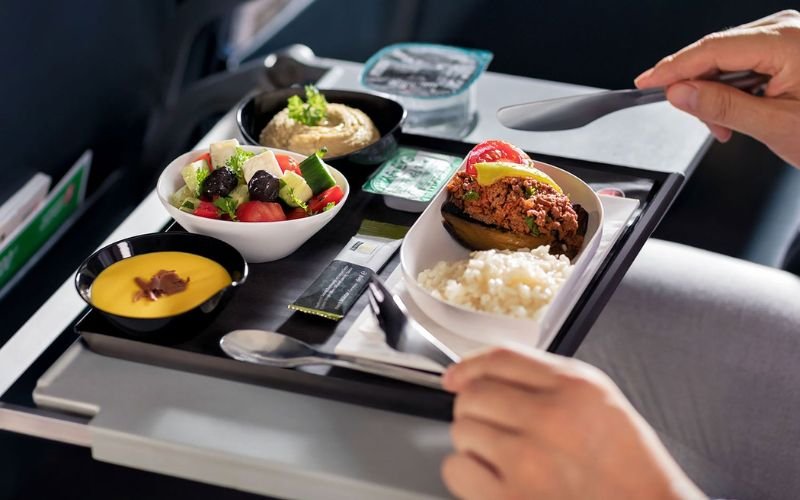
If you fly often, you must have thought once in your life that, “What’s the deal with airline food?” You’re not alone! If you’re getting a mystery meat tray in the air, etc. More troubling is the fact that it always seems to taste slightly off. For so many years now, airline meals have been the punchline of countless jokes that everyone can universally understand. But the real question is, why are they served in those curious little foil containers on your tray? And you’re not talking about a celebrity chef’s collaboration or a fancy meal in first class! You’re talking about the economy meal that everyone gets.
Is it possible that the airlines mess with your taste buds on purpose? Do they add bad ingredients that lead to poor taste? Do planes really mess with your taste buds? Are the ingredients really that poor? Prepare to pull off that piece of plastic and enter the somewhat straightforward but strangely complicated world of airline food. Understand the real story behind airplane dinners and perhaps give yourself a fresh view of that dubious dessert. Read this blog to find all that out!
History of In-Flight Dining: An Overview
From everyday sandwiches to outstanding meals, the progress of onboard airline meals is full of history and flavorful surprises! Have a look:
- 1919– The first meals got served on Handley Page flights from London to Paris. Lunch boxes contained a simple selection of sandwiches and fruit.
- 1920s– Airlines, such as Daimler Airway, provided juice and snacks in boxes. Besides serving only drinks, some airlines would stop and allow the passengers to picnic during the flight.
- 1931– Lufthansa presented the concept of the “Flying Dining Car” with warm meals placed inside insulated bottles onboard the aircraft.
- 1936- United put galleys and ovens in their aircraft and could offer hot entrées, chicken, or eggs to their passengers. If you’re planning to fly United Airlines Business Class soon, knowing it all along with food becomes necessary.
- 1940s– TWA would provide frozen pre-cooked meals to the aircraft. This decreased the need for cabin crew staffing and prep work during the meal service.
- 1950s– Pan Am would present elaborate dinners on china with the main entrée being in the range of lamb chops, during Clipper flights.
- 1960s– Pan Am entered a business partnership with Maxim’s of Paris and specialized in gourmet first-class meals.
- 1970s– The Boeing 747 was created, and lounges got introduced. With fares dropping, there would be less free food and beverages served in coach class.
- 2000s– After 9/11, airlines used plastic utensils and offered meals for a fee on short flights.
- In Present: Top airlines offer chef-prepared meals with pre-order options to ensure passengers are satisfied.
Reasons Airline Food Doesn’t Taste Right
Have you ever tasted airline food and thought, “This tastes off?” You’re not imagining things! Eating in the air isn’t like eating at home. Many weird things happen to your taste buds in the air. Know about it here:
Your Taste Buds Go Strange
When you aren’t on the ground, your taste buds don’t function the same way. Low cabin pressure and dry air affect how you taste and smell. The dry air conditions in the cabin dry out your nose, which lowers your sense of smell. Your sense of sweetness and saltiness might be less detectable by 30%, and sour, bitter, and spicy foods don’t experience the same.
Altitude Affects Taste
When you’re high in the sky, your body detects flavors differently. Low air pressure means less oxygen, which affects taste sense. That’s the main reason that an in-flight sandwich could get tasteless, yet despite how fresh it is! Airlines add extra seasoning to fix this, but it’s hard to get right.
The Engine Noise Also Affects It
Believe it or not, the constant noise from the plane affects your meal. Loud noises like the drone of the plane’s engines made sweet flavors taste sweeter and savory foods taste more savory.
Food Preparation Doesn’t Help
Airlines prepare food hours before you fly. The food is chilled and reheated again in-flight. By reheating the meal, the food changes its textures and flavors. Food that would taste fresh and tender, such as chicken or pasta, goes dry and bland when reheated.
How Do They Prepare Meals?
In-flight meals take a lot of planning to reach thousands of passengers every day. Large teams of people work behind the scenes to guarantee safety, freshness, and timing. Know about the meal planning step-by-step.
Meal Planning
Airlines start by planning the meal menu carefully. They associate with catering companies to develop menus that serve many passengers. Special meals fall within the airline’s partner catered menu responsibilities. Professional organizations have created standards to ensure passenger needs gets fulfilled. Passengers can now let the airline know their preferred meal at the time of ticket purchase through web portals.
Preparing in Large Kitchens
They provide the majority of meals from large kitchens generally located near airports. Catering companies prepare food in bulk for airlines. Food must be prepared fresh on the day of the flight and follow the IATA recommended principles for food safety. Chefs will prepare, cool, or freeze portions of the meals so that they remain appetizing onboard.
Loading and Transporting to the Aircraft
This is also a time-focused task, as all ground time costs money. Before the delivery, the catering company would organize meals in trolleys or carts in the kitchen. They then load the food in a truck or specialized vehicle and drive to the door of the aircraft. The truck & crew would load the food into the aircraft’s fridges or ovens while the passengers wait outside. If food had to wait, adjustments could be made quickly to ensure food safety.
Serving in the Flight
Once the plane is taking off, the flight attendants take over the service. They still heat meals in the ovens on the plane. The meals are plated on trays and served more quickly in the economy class. But first or business class meals are plated and handled with more care. One thing that IATA always emphasizes during these steps is the importance of clean hands and moving food in a timely manner to guarantee freshness & minimize risk.
Keeping It Safe and Green
All food waste is collected for special waste disposal to keep farms safe from pollutants, and rarely, if ever, is food waste recyclable. Airlines do support changes and find ways to reduce waste and improve products. Overall, this entire supply chain serves millions of passengers a safe meal, which is quite the effort!
Obstacles in the Air
Airline food goes through unique obstacles above 30,000 feet. These obstacles arise from strict regulations, aircraft limitations, and large-scale operations. Know about them all here:
Food Safety
Food safety is the most important element of in-flight dining. Airlines follow strict guidelines set by organizations to protect customers from illness. Airlines must follow safety standards that monitor food preparation for safety from diseases. Low cabin air pressure, along with low humidity, increases the chances of bacteria growth, and the service crew monitors temperatures closely.
Space Limitations and Reheating
Airlines have space limitations in flight; therefore, airline food is prepared earlier and delivered in a chilled state. Before boarding, food gets reheated in convection ovens. Low temperature and humidity decrease the appeal of food. Chefs take those factors into consideration in their flavors and preparation methods.
Huge Logistics Challenge
Preparing thousands of meals a day is a hopeless process. Catering teams load trays quickly when the planes take a break, but delays create chaos. Meals fly all across the world with different requirements for food storage. And, they have to track a special diet for each passenger.
Waste and Green Guidelines
A lot of food remains untouched. In fact, airlines waste well over a million tons of food each year. Strict laws prevent the reuse of food in an effort to protect farms from bugs. Airlines want to use less plastic and better bulk buys, but regulation makes it difficult. Pre-ordering apps will eliminate wasted meals.
Menu Design & Options
Airlines work with chefs and food professionals to come up with menus that feature fresh and appealing ingredients. Check out how things get done:
- Partner with Chefs to Produce Enticing Meals– Some airlines partner with celebrity chefs to develop healthy and delightful meals. They use ingredients that are local and seasonal.
- Refresh Menus based on Seasonality or Trends– Delta goes through and refreshes menus a few times a year to blend in new concepts with legacy favorites.
- Provide Options Across All Classes of Service– In First and Business classes, you can order a la carte anytime you like. British Airways has a fancy menu with signature dishes, while Lufthansa offers snack shop-style options with small bites and soup.
- Adjust Special Diets & Children’s Meals– In addition to regular meal options, you can order meals based on food allergies or based on faith. Airlines such as Lufthansa and Delta even provide fun, colorful plates for children to enjoy.
- Blend Local & Regional Flavors– Airlines like Emirates & British Airways blend flavors from your destination.
- Balance Cost and Quality– The airlines create menus to balance low-cost food like snacks, beer and wine, and spirits.
The Future of Airline Food
Many airline companies are looking forward to improving meals by making them better, greener, and personalized. They will adopt new ideas coming from technology and innovative cooking processes. It will reduce waste and improve passenger satisfaction. Look at what’s on the list:
Personalized Meals for All
Personalized meal options will be here in no time. Airlines are now partnering with apps and platforms to allow passengers the ability to customize their pre-flight meal choices to fit their diet and preferences, which focuses on vegan, gluten-free, or overall health-conscious meal choices. This will also help reduce food waste.
Sustainable Options and Waste Reduction
Sustainability is the new standard. Airlines have already begun transitioning plastic meal trays to compostable containers. They started using locally grown vegetables. Airlines are already using AI technology to monitor meals with real-time data collection. Providing meals on lighter tray containers allows the airline to save on fuel consumption.
Technology Enhances Food Experience
Intelligent solutions are changing the way food is produced and served. AI predicts diner counts and pairs meals accordingly. Organizations offer cloud-based ordering systems, from the time a meal gets planned until they finally served. It reduces both supply chain costs and errors experienced. In the near future, touchless ordering systems will allow you to order from a menu from your own seat.
Wrap It Up!
So, “what’s the deal with airline food?” You had this question, and this post answered it all! From strange flavor profiles in the air to the unbelievable management problems, etc., it is clear that serving food on flights is too effortful. The meals may not always be gourmet ship fare, but airlines are all on par with one another, experimenting with creative presentations and flavor profiles. Consider giving your flight meal a second look next time you board a flight!
FAQs Section
Passengers’ taste buds become dull at high altitudes due to low cabin pressure and dry air. It makes flavors less good.
Catering companies prepare meals in huge kitchens. They freeze them and load them onto planes, following strict safety and timing rules.
Yes! Most airlines offer vegan, vegetarian, and gluten-free meals on flights. They even offer religious-based meals if you request them in advance.
Yes, they do it for a reason. It is because of the space & weight limits.
Many airlines are adding gourmet options, local flavors, and eco-friendly packaging to improve the dining experience.
Latest Blogs
- Standby Flights: What are they and how do they work?
- How Will the Iran War Affect International Flights?
- Is Lufthansa a good Airline? A Complete Guide For Travellers
- How to Find Cheap Flight Tickets? Stop Overpaying!
- LAX Sleep Pods: Truth, Other Options & Nearby Hotels
- What is the Best Airline to Fly to California in the USA in 2026?
- Spirit Airlines Wi-Fi: Is Internet Available Onboard?
- What Is Frontier Discount Den Membership? Benefits & Cost 2026
Latest Pages
- Japan Airlines Izumo Office in Japan
- Japan Airlines Hiroshima Office in Japan
- Jazeera Airways Azerbaijan Office
- Jazeera Airways Ta’if Office in Saudi Arabia
- Jazeera Airways Ha’il Office in Saudi Arabia
- Jazeera Airways Bodrum Office in Turkey
- ITA Airways Trieste Office in Italy
- ITA Airways Madrid Office in Spain
Leave a Reply